
Government of Giwa
Learn about the administrative structure, elected representatives, and traditional institution in Giwa Local Government Area.
Government Structure
Giwa Local Government operates through a structured administrative system that combines democratic governance with community representation.
Executive Arm
- Chairman: Heads the local government administration and policy implementation.
- Vice Chairman: Supports executive administration and delegated responsibilities.
Legislative Arm
- Legislative Council: Comprised of elected councillors representing electoral wards.
- Council deliberates and passes by-laws to support local governance.
Administrative Departments
- Works and Infrastructure
- Health Services
- Agriculture and Rural Development
- Education and Social Development
- Finance and Administration
Current Leadership
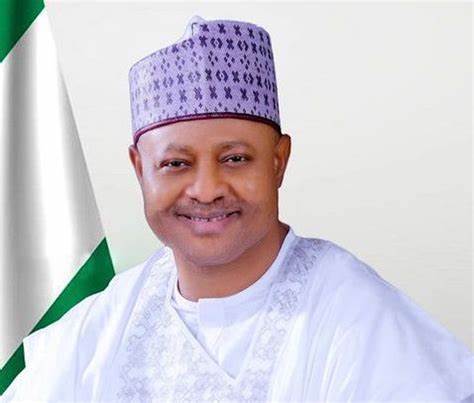
Senator Uba Sani
Governor
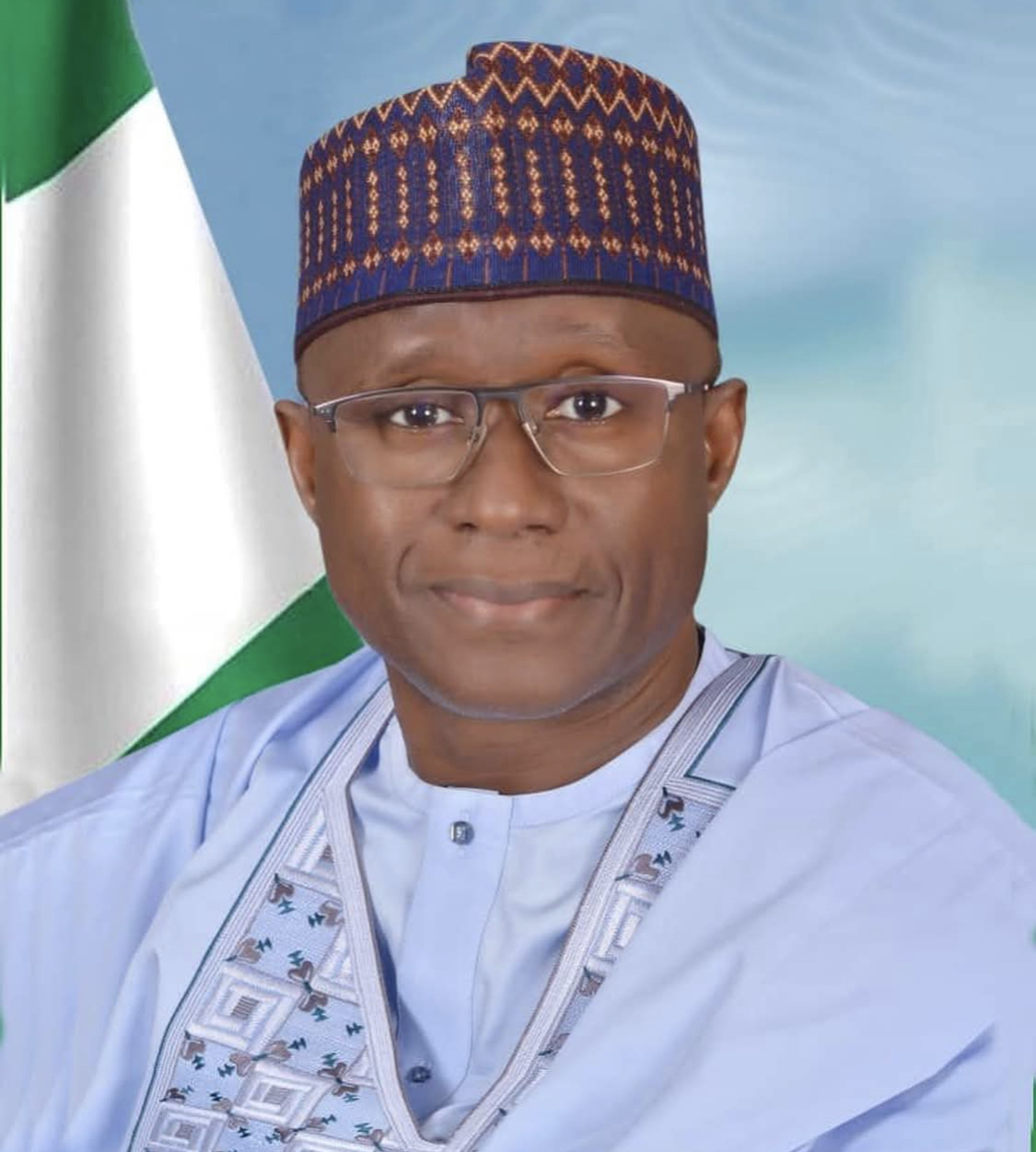
Hon. Sadiq Mamman Lagos
Commissioner Ministry for Local Government and Chieftaincy Affairs

Hon. Muhuyideen Abdullahi Umar
Chairman
Hon. Rilwanu Aminu
Vice Chairman
Traditional Institution
Emirate Council
Giwa has a strong traditional institution that complements modern governance and helps preserve local culture and values.
Districts
- Traditional leaders across districts and communities work closely with the local government to promote peace and unity.
- District and village heads support local conflict resolution, cultural continuity, and grassroots mobilization.
Role of Traditional Leaders
Traditional leadership structures support community governance, preserve customs, and strengthen collaboration between citizens and public institutions.